Intersections
Faith, Learning, and the Vocation of Lutheran Education. Intersections is the biannual publication by the Network of ELCA Colleges and Universities, inviting scholarly reflection on the shared calling of Lutheran higher education.
Now streaming
The Intersections Podcast
Exploring faith, learning, and the vocation of Lutheran Education. The Intersections Podcast brings the Intersections publication to a new format, turning Issues in Seasons and Articles into Episodes!
All Issues
-
Vocation Ground Game: Equipping for Civic Engagement
No. 63 · Spring 2026
Vocation is ground game — what we live out each day in what we do and how we live with others. This issue explores how Lutheran higher education equips students for civic engagement as a practical, public expression of faith and neighbor-love.Featuring a first-person reflection on treaty partnership alongside essays from political scientists at NECU and peer faith-affiliated institutions who gathered at Texas Lutheran University for the Civic Engagement and Faith Perspectives conference in Fall 2025.
-
Vocation: Ethical Leadership
No. 62 · Fall 2025
Drawing from the 2025 Vocation of Lutheran Higher Education Conference at Augsburg University, this issue explores what it means to lead ethically in a changing world. Articles range from Walter Earl Fluker’s keynote call to “wake up running” for democratic futures to reflections on classroom pedagogy, cradle-to-career partnerships, moral imagination, and the very Lutheran practice of holding life and death together.
-
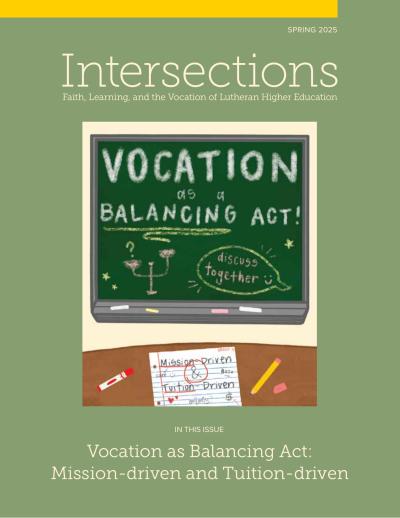
So That All May Belong: Lutheran Roots for Diversity, Equity, Inclusion, and Justice
No. 61 · Spring 2025
Anchored by the NECU statement So That All May Belong: Lutheran Roots for Diversity, Equity, Inclusion, and Justice, this issue presents the full DEIJ document along with an abridged version and a companion list of scriptures that inspired its drafting. Four accompanying essays explore vocation at full stretch, the dignity of work through Mister Rogers’ Neighborhood, ministry in the ecotones of faith, and the miracle of mission lived out within real-world limitations.
-
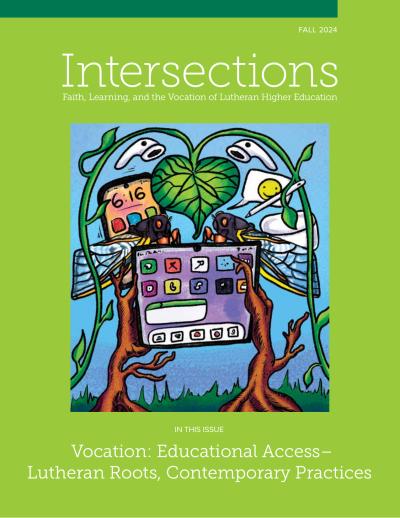
Vocation: Educational Access — Lutheran Roots, Contemporary Practices
No. 60 · Fall 2024
The 2024 Vocational Leaders in Higher Education (VLHE) Conference theme — “Educational Access: Lutheran Roots, Contemporary Practices” — anchors this issue. Conference keynotes and panels reflect on Martin Luther’s 16th-century call to educate both boys and girls and trace its contemporary implications for trustworthy leadership, neighbor justice, paradox, biblical “access,” baptismal affirmation, and belonging in Lutheran higher education.
-
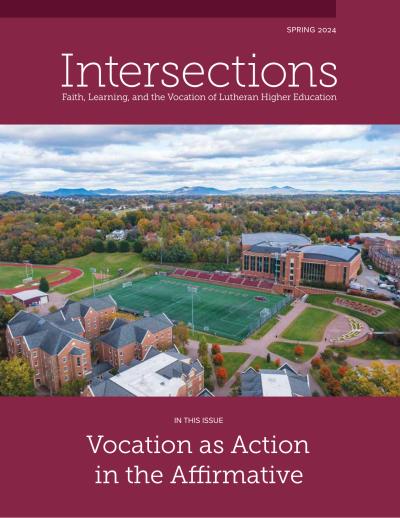
Vocation as Action in the Affirmative
No. 59 · Spring 2024
This issue gathers reflections on vocation as action in the affirmative — from Susquehanna University’s formation of a new Division for Access, Equity & Belonging and a conversation about recruiting diverse students at Augustana to Mark Ellingsen’s case for what the Lutheran Two-Kingdom Ethic entails for affirmative action, Ken Flores on the slow work of transformation, a team essay on the critical role of Lutheran higher education in the age of AI, a feature on the team cultures behind two NCAA Division III national soccer championships, and a process from Augsburg’s Riverside Innovation Hub for dreaming big within and beyond our limitations.
-
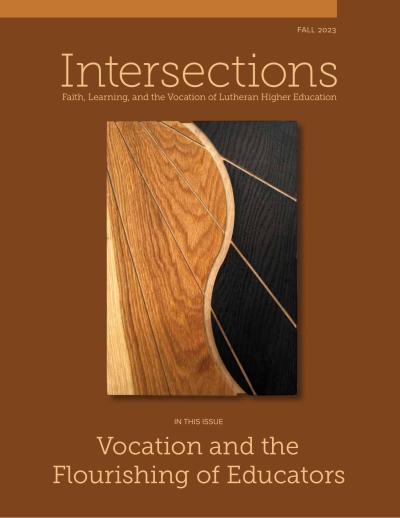
So That We, Too, May Flourish
No. 58 · Fall 2023
Drawn from the 2023 Vocation of Lutheran Higher Education Conference theme — “Vocation and the Flourishing of Educators” — this issue gives voice to the tiredness, longing, and hope of staff, faculty, and administrators in NECU institutions. Contributors reframe vocation in an age of burnout, propose Lutheran “third-way” values for measuring institutional success, lift up staff governance and staff flourishing, introduce the Vocare spiritual practice, and witness to the role of lament, decolonizing conversation, and deep sadness in vocations we don’t choose.
-
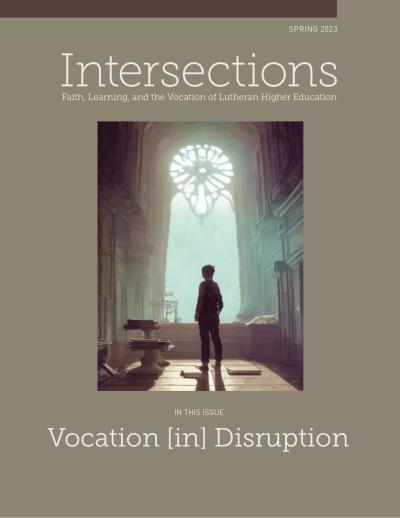
Vocation [in] Disruption
No. 57 · Spring 2023
Even broken, we are called. Amidst disruption, there is still vocation. Yet vocation looks different in disruption — and for some of us, our vocation has been or has become disruptive, calling out systemic injustice and widespread harm.This issue is devoted to all who are living and working amidst disruptions of various kinds, searching for anchors of meaning and purpose in shifting circumstances. It includes a study guide for So That All May Flourish, a new book on Lutheran higher education, and several invited pieces on reproductive rights in the post-Dobbs era.
-
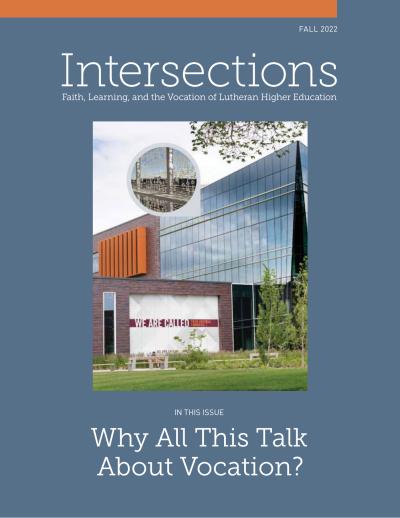
Why All This Talk About Vocation?
No. 56 · Fall 2022
Why all this talk about vocation? Because, as Mark Wilhelm argues in his Publisher’s keynote, “Lutheran higher education…is vocation-based education” — it is who we are and what we do, even if incompletely, clumsily, and unjustly at times.This Fall 2022 issue gathers Wilhelm’s valedictory address as he retires after decades of service, five responses from across the NECU community (Trelstad, Thasiah, Tucker, Cancienne, Pribbenow), reflections from first-time conference attendees Julius Crump and Madyson Ray, and a pair of companion pieces on Womanist theology from Elli Cucksey and the team of Yolanda M. Norton and Beverly Wallace.
-
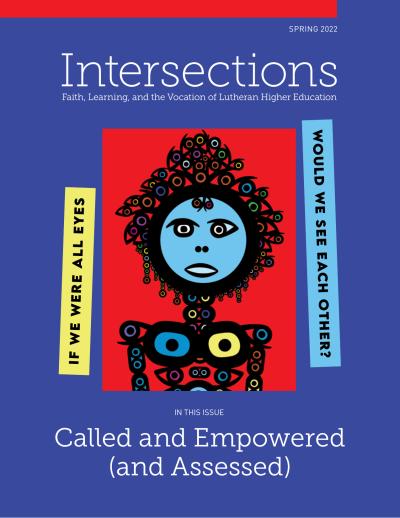
Called and Empowered; Learning Love of Neighbor (and Assessed)
No. 55 · Spring 2022
A transition issue of Intersections, marking the editorial handoff from Jason Mahn to Colleen Windham-Hughes and looking ahead to Mark Wilhelm’s retirement as the founding executive director of NECU. The essays gathered here, most adapted from comments at the 2022 NetVUE national gathering, ask “What is the worth of our work?” through institutional practices of assessment and imagination: developmental frameworks for vocational reflection, self-assessment instruments, pandemic-era programming, the long arc of serving the neighbor, and a review of Richard A. Detweiler’s The Evidence Liberal Arts Needs.
-
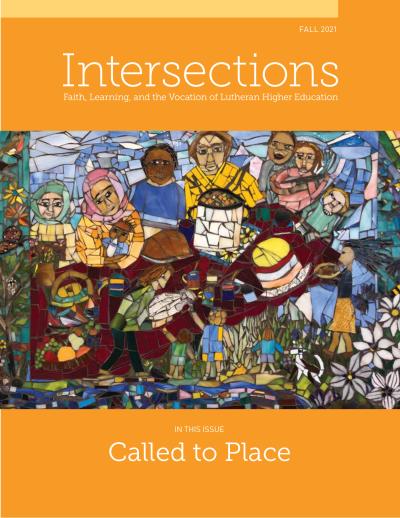
Called to Place: Learning to Love of Neighbor
No. 54 · Fall 2021
The theme of the 2021 Vocation of Lutheran Higher Education Conference, hosted by Augsburg University, was “Called to Place: Community-Responsive Education.” Presentations and conversations over four days took stock of the importance of particular settings — including the physical and cultural geographies of campuses and the surrounding communities — for the deep learning of our students, and for us as educators.This issue showcases how NECU institutions are engaging surrounding places and communities and educating students for a sense of rootedness and belonging.
-
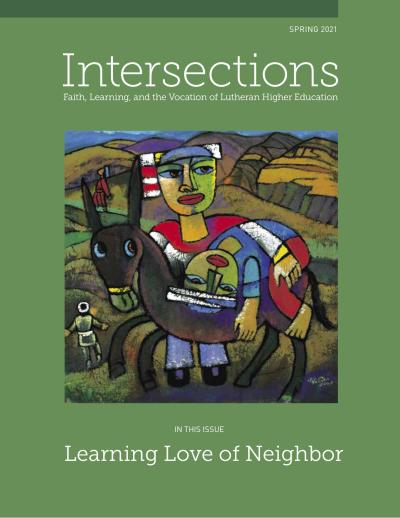
Learning Love of Neighbor
No. 53 · Spring 2021
Published in the second spring of the COVID-19 pandemic, this issue gathers reflections from across the NECU on what it means to live out the ethic of love of neighbor in a year of shelter-in-place orders, racial reckoning, and remote campuses. Contributors examine teaching as a love ethic, library work without a library, preaching in Christ Chapel on Yom HaShoah, first-year theology in the “COVID class,” vocation beyond gladness and beyond career, pastoral leadership in a long crisis, and what it might mean for Lutheran higher education to start talking about God again.
-
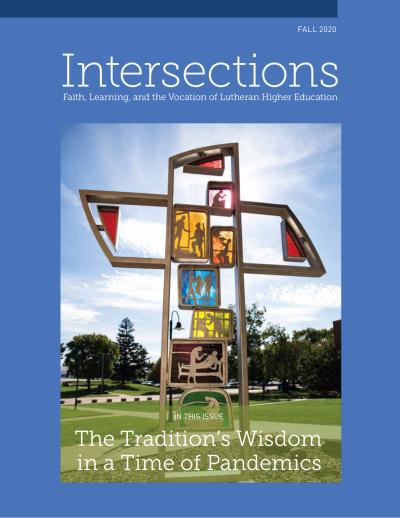
The Tradition’s Wisdom in a Time of Pandemics
No. 52 · Fall 2020
Published in fall 2020 amid the intertwined pandemics of Covid-19, systemic racism, and economic upheaval, this issue gathers reflections from NECU educators, presidents, alumni, and theologians who turn to the Lutheran tradition for guidance in a season of crisis. Contributors draw on Luther’s 1527 letter “Whether One May Flee from a Deadly Plague,” Matthew 25’s acts of mercy, trauma theology, and the everyday vocations of teaching, leading, and caring for neighbor — asking how Lutheran higher education’s ancient commitments to hospitality, neighbor-love, reconciliation, and care speak with renewed urgency today.
-
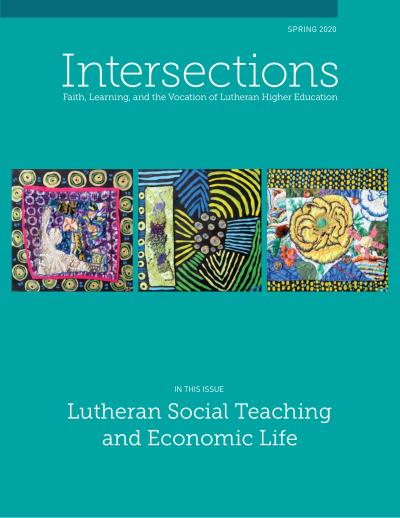
Lutheran Social Teaching and Economic Life
No. 51 · Spring 2020
The Spring 2020 issue gathers writings from a NECU initiative to reclaim the Lutheran intellectual tradition as a resource for academic mission. A July 2019 Augsburg consultation asked whether ELCA social teaching — especially the 1999 statement Sufficient, Sustainable Livelihood for All — could serve as a classroom resource for business ethics. Essays explore moral deliberation, responsibility ethics, the challenge of inclusion, the theology of marketing and branding, student food insecurity, and how Generation Z’s defining traits align with Lutheran higher education.
-
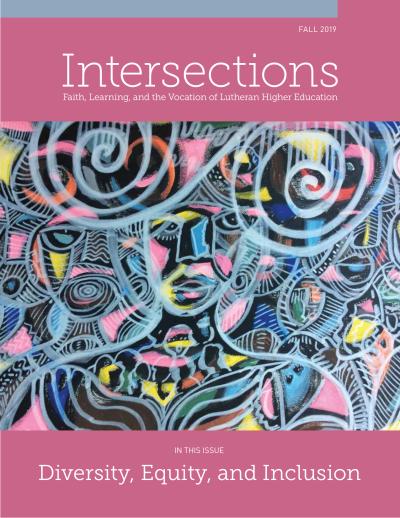
Diversity, Equity, and Inclusion
No. 50 · Fall 2019
This Fall 2019 issue gathers essays from the 2019 Vocation of a Lutheran College conference at Augsburg, themed “Beyond Privilege: Engaging Diversity, Inclusion and Equity.” Essays explore the work of the Chief Diversity Officer; the perils and promise of privilege; the vocation of white people in a racist society; inclusive pedagogy as a foreign language; vocation across a religiously diverse classroom; the American myth of white supremacy; a meditation on seeing in a new way; and the radical love — conciliatory and queer — of Lutheran higher education.
-
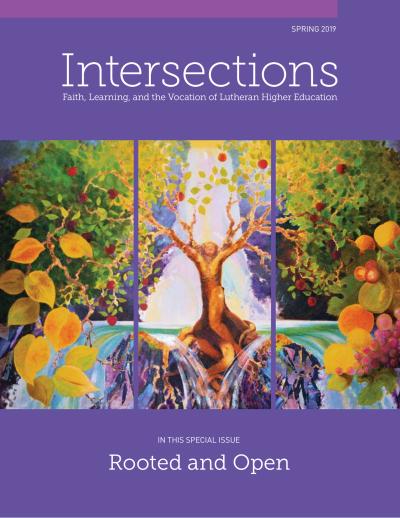
Rooted and Open
No. 49 · Spring 2019
A special issue of Intersections dedicated to Rooted and Open: The Common Calling of the Network of ELCA Colleges and Universities, the statement on Lutheran identity in higher education unanimously adopted by NECU presidents in January 2018. Writing-team members Mark Wilhelm, Darrell Jodock, Jason A. Mahn, and Martha E. Stortz offer the “third path” rationale and account for how the “marks” inscribe both institutions and people. Further essays by Colleen Windham-Hughes, Marcia J. Bunge, Kathi Tunheim, John Eggen, and Emily S. Kahm bring Rooted and Open to life on campus.
-
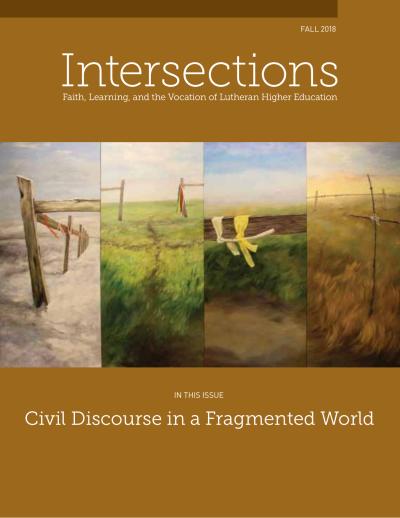
Civil Discourse in a Fragmented World
No. 48 · Fall 2018
Most of the essays in this issue were first presented at the 2018 Vocation of a Lutheran College conference. Some emphasize the need to emphatically listen and find common ground in a polarized culture, complete with partisan politics, social media echo-chambers, and the propaganda of “alternative facts.” Others remind us that calls for civility can also become “the sleep-aid of a majority inclined to ignore the violence done in its name”; these authors urge educators to speak truthfully, even when those words sound angry. Together, the essays help us tune up for frank and honest conversations while resisting hateful discourse about divisive issues.
-
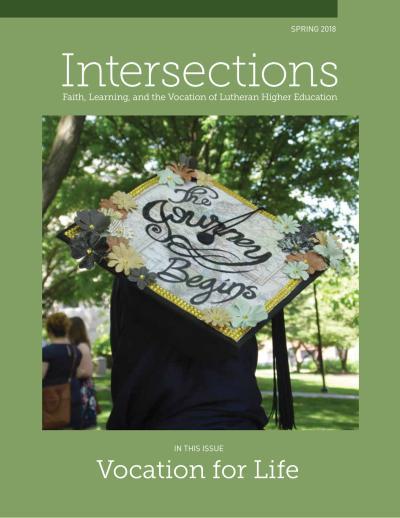
Vocation for Life
No. 47 · Spring 2018
The Spring 2018 “Vocation for Life” issue, drawn from the 2017 Vocation of a Lutheran College Conference, gathers essays on vocational reflection as a lifelong journey — how Lutheran colleges can educate students for the many callings they will hear and heed. Essays explore vocation across the lifespan, the experience of emerging adulthood, vocation from Buddhist and Hindu perspectives, a reading of Tranvik’s Martin Luther and the Called Life, Luther’s catechisms as a resource for a theology of intellectual disability, and Lutheran higher education in a campus culture of pervasive anxiety.
-
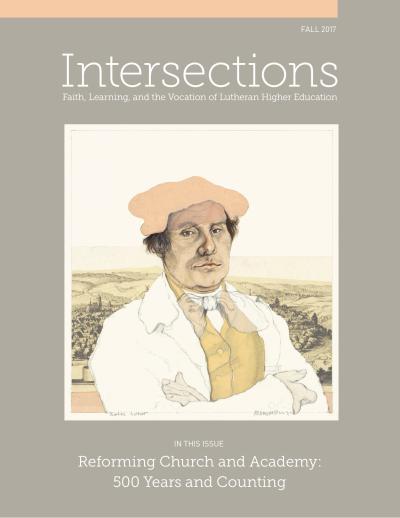
Reforming Church and Academy: 500 Years and Counting
No. 46 · Fall 2017
An issue of Intersections marking the five-hundredth anniversary of the Lutheran Reformation. Essays gathered here move beyond celebration to careful assessment and creative re-appropriation of the Reformation tradition — engaging vocation, education, social service, the “Book of Nature,” Luther among the poor, the centrality of the Word, a Dalit reading of Luther’s sutra, and the call for ecclesiological reflection in Lutheran higher education.
-
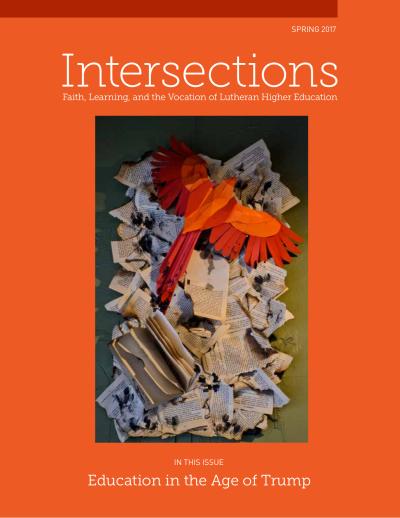
Education in the Age of Trump
No. 45 · Spring 2017
Published in the wake of the November 2016 U.S. presidential election, the Spring 2017 “Education in the Age of Trump” issue gathers reflections on educating, teaching religion, organizing, preaching, and writing poetry in the early months of the Trump presidency. Contributors examine federal higher education policy, sanctuary campus debates, the religious story behind evangelical politics, the place of a Muslim professor at an ELCA institution, the prophet Jonah as anti-hero of public vocation, and the liminal experience of students caught between worlds—inviting readers to search for truth amid “alternative facts” and remain hopeful.
-
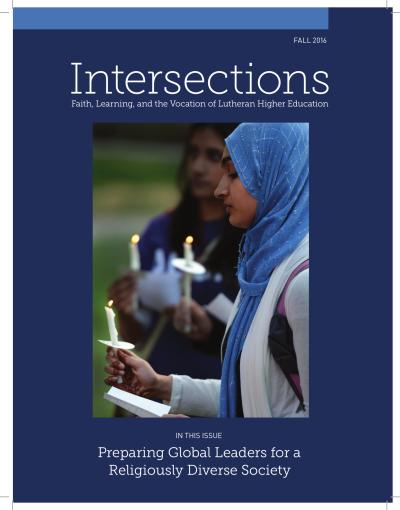
Preparing Global Leaders for a Religiously Diverse Society
No. 44 · Fall 2016
The Fall 2016 issue, drawn from the 2016 Vocation of a Lutheran College Conference, explores why interfaith engagement is integral to the mission of ELCA colleges. From Bishop Elizabeth Eaton’s call for Lutheran colleges to be “laboratories for living in a diverse world” to a conversation between Mark Hanson, Eboo Patel, and Katie Baxter on negotiating conflicting values, contributors examine theological foundations for inter-religious work, the promise and peril of the interfaith classroom, pastoral care across faith traditions, and the everyday tensions where legitimate religious values come into conflict.
-
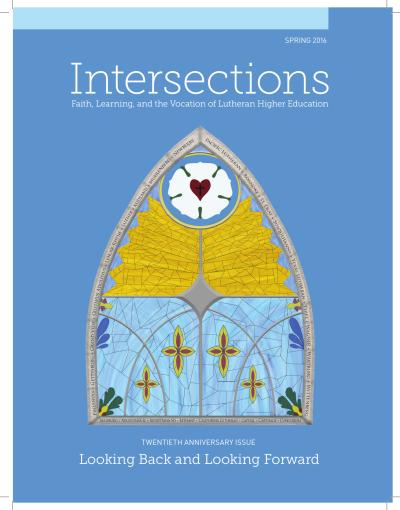
Twentieth Anniversary Issue: Looking Back and Looking Forward
No. 43 · Spring 2016
This Spring 2016 anniversary issue marks twenty years since Intersections was first printed at Capital University in 1996. The publisher introduces the newly-established Network of ELCA Colleges and Universities, and the editors trace the vocation of Intersections across its twenty-year life. Essays consider the vocation movement in Lutheran higher education, the long dance between Lutheran identity and racial and religious diversity at Gustavus, Lutheran contributions to scholarship on vocation, Lutheran vocation as a foundation for interfaith ministry, and educating students as “sustainability leaders” in the Anthropocene.
-
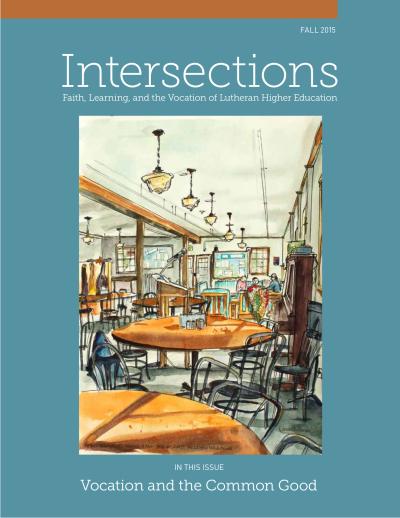
Vocation and the Common Good
No. 42 · Fall 2015
The Fall 2015 “Vocation and the Common Good” issue draws on the 2015 Vocation of a Lutheran College Conference at Augsburg, asking what is left of “the commons” in an age of privatization. Essays move from the Lutheran sense of a common walk of life and “little bits of good,” through Luther’s “greed is an unbelieving scoundrel” and interfaith cooperation, to a critique of the attentional commons in a wired classroom, a presidential call to “say something theological,” and a study of how women college presidents experience their calling.
-
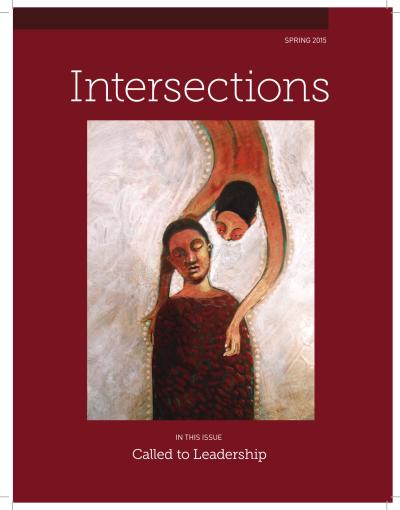
Called to Leadership
No. 41 · Spring 2015
The Spring 2015 “Called to Leadership” issue of Intersections draws from the 2014 Vocation of a Lutheran College Conference at Augsburg, framing leadership not as command-and-control or charisma but as service to the neighbor rooted in vocation. Essays move from Jodock’s “vocational leadership” through Neilson on shared leadership, Ngunjiri on mentoring as gurus, coaches, and sponsors, Hughes on conflating vocation with career, Hasseler on women in leadership, Warren on superhero origin stories, and Johnson on peer-learning consultations—closing with Crowe and Hanson’s review of Claiming Our Callings.
-
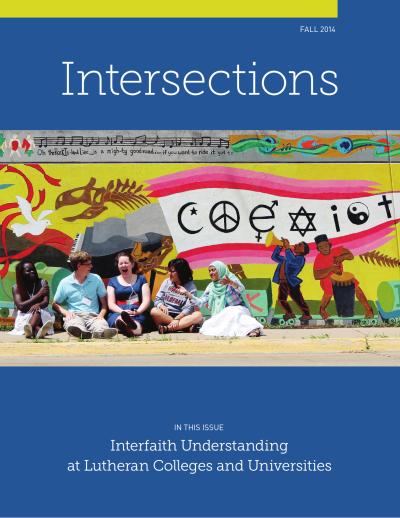
Interfaith Understanding at Lutheran Colleges and Universities
No. 40 · Fall 2014
The Fall 2014 issue gathers presentations from the first Interfaith Understanding Conference for ELCA Colleges and Universities at Augustana College in June 2014, asking “What does it mean to be Interfaith at a Lutheran College?” Keynotes by Presiding Bishop Elizabeth Eaton, Jason A. Mahn, and Interfaith Youth Core founder Eboo Patel anchor the issue, with essays by Kathryn M. Lohre, Rabbi Belle Michael, Jacqueline Bussie, Matthew J. Marohl, Amy Zalik Larson and Sheila Radford-Hill, and Ann Boaden, interwoven with student reflections from Augustana, Luther, Muhlenberg, and Susquehanna.
-
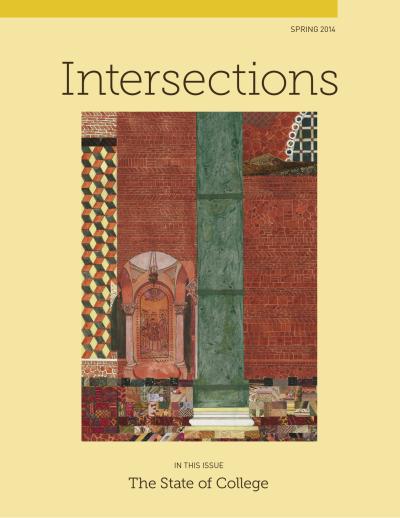
The State of College
No. 39 · Spring 2014
The Spring 2014 “State of College” book-review issue gathers eight reflective reviews by ELCA faculty and staff. Reviewers engage Delbanco’s College, Selingo’s College (Un)Bound, Childers’s College Identity Sagas, Jacobsen and Jacobsen’s No Longer Invisible, Farrell’s The Nature of College, Palmer and Zajonc’s The Heart of Higher Education, Bok’s Our Underachieving Colleges, and a cluster on the digital information deluge—asking what Lutheran liberal arts might mean against the pull toward careerism.
-
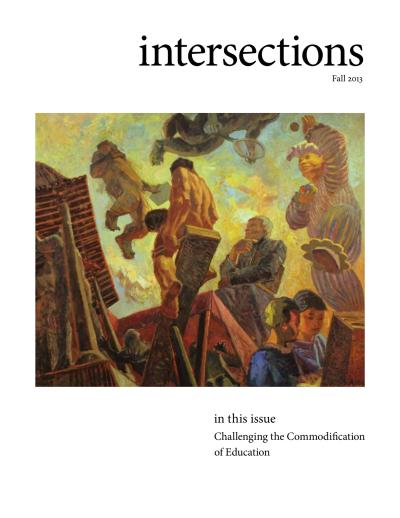
Challenging the Commodification of Education
No. 38 · Fall 2013
The Fall 2013 “Challenging the Commodification of Education” issue draws on the 2013 Vocation of a Lutheran College Conference, asking what a Lutheran sense of vocation adds when colleges are priced and sold as commodities. DeAne Lagerquist recovers Luther’s “gift economy” as a counter to market logic; Mark Schwehn defends the “value added” of Lutheran liberal arts through the “local genius”; Tom Crady and Karl Stumo report from Gustavus and Pacific Lutheran recruitment; Patricia J. Lull preaches on Matthew 10; Duin and Childers introduce Project DAVID as a reinvention framework.
-
Faith and Meaning in the Disciplines
No. 37 · Spring 2013
The Spring 2013 “Faith and Meaning in the Disciplines” issue gathers six essays from ELCA faculty thinking through value, vocation, faith, and meaning from their own disciplines. The first five—on poetry, economics, choral music, biology, and religious studies—share parallel titles (Valuing Poetry, Calling Economists, Singing Faith, Living Biology, Professing Religion) and invite readers past the fact-value split between “hard” knowledge and “softer” meaning. Ernest Simmons closes with a Lutheran dialectical model in which faith and learning are kept in dynamic relationship at the intersection where vocation takes root.
-
Lutherans, Creation, and Sustainability
No. 36 · Fall 2012
The Fall 2012 “Lutherans, Creation, and Sustainability” issue pairs four feature essays on environmental theology with four interviews on ELCA campus sustainability. Ann Pederson argues for a cosmic, ecological reading of imago Dei; Jim Martin-Schramm sketches a Lutheran ethic of environmental stewardship; Cynthia Moe-Lobeda develops a three-fold moral vision on climate justice; Baird Tipson tells three stories from Washington College on funding a sustainability agenda. Interviews with Jim Dontje, Kenneth Foster, Garry Griffith, and Brian Noy profile programs at Gustavus, Concordia, Augustana, and Augsburg.
-
Civility and Civic Engagement
No. 35 · Spring 2012
The Spring 2012 “Civility and Civic Engagement” issue draws on the 2011 Vocation of a Lutheran College Conference at Augsburg. Samuel Torvend reads Luther’s reforms as a turn from privatized spirituality to public engagement among the hungry poor; Per Anderson proposes ELCA colleges become incubators of moral deliberation; Ann M. Svennungsen argues colleges must invest in civic renewal; Kathi Tunheim offers four examples of Lutheran colleges “dancing with their neighbors”; Paul Pribbenow argues hospitality is not enough—justice calls colleges to take students “off the main road.”
-
Lutherans on Faith and Learning
No. 34 · Fall 2011
The Fall 2011 “Lutherans on Faith and Learning” issue marks the editorial transition from Robert D. Haak to Jason A. Mahn. Paul J. Dovre sketches a Lutheran learning paradigm organized around four narratives—biblical, confessional, theological, and vocational. Darrell Jodock’s “Gift and Calling” grounds Lutheran higher education in human giftedness, calling forth a “third path” both rooted and inclusive. Joseph McDonald argues the Lutheran capacity for paradox equips colleges to recover service-learning’s socio-political vision. Sermons by Turnbull and Jodock and Dave Hill’s “Endtimes” round out the issue.
-
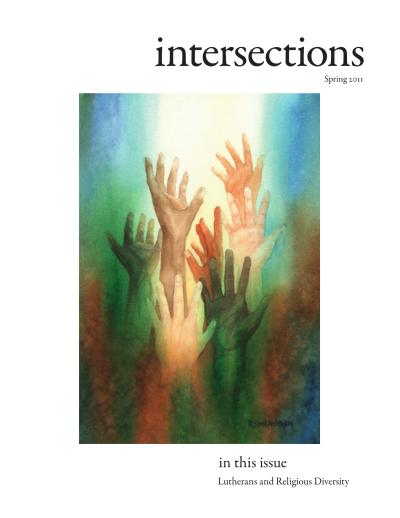
Lutherans and Religious Diversity
No. 33 · Spring 2011
The Spring 2011 issue of Intersections, drawn from the 2010 Vocation of a Lutheran College Conference, asks how Lutheran campuses respond to religious diversity. Essays by Darrell Jodock, Terence S. Morrow, Karla R. Suomala, Mark N. Swanson, and Jacqueline Aileen Bussie chart a “third path” between sectarian and non-sectarian models, examine civil discourse on campus, trace new contexts for Jewish-Christian engagement, explore Christian-Muslim relations at ELCA institutions, and offer practical recommendations for embracing reconciled religious diversity.
-
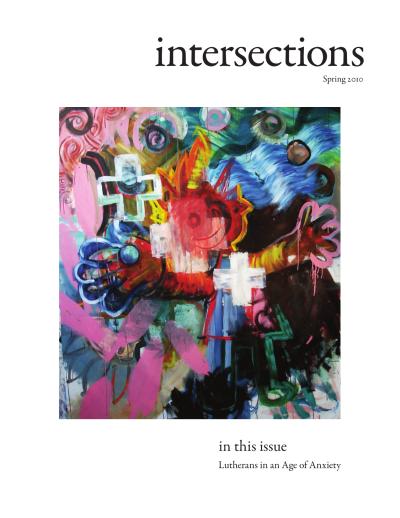
Lutherans in an Age of Anxiety
No. 32 · Spring 2010
The Spring 2010 “Lutherans in an Age of Anxiety” issue draws on the 2009 Vocation of a Lutheran College Conference. Presiding Bishop Mark S. Hanson reflects on living at the intersection of fear and hope; Martha E. Stortz names four charisms Lutheran higher education brings to a culture of fear; Jason Peters reads ecological decline through Pope, Blake, Lewis, and Kierkegaard; Rebecca Judge finds hope in the bursting of market fundamentalism; David L. Tiede frames Lutheran higher education as “an apostolate of hope”; Susan M. O’Shaughnessy rereads Pentecost as a corrective to cultural imperialism.
-
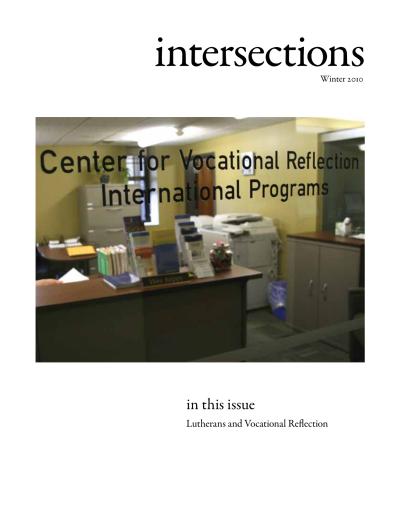
Lutherans and Vocational Reflection
No. 31 · Winter 2010
The Winter 2010 issue gathers reports from the “Called for Life” study, in which Luther, Augsburg, and Augustana assessed their Lilly Endowment-funded vocational programs. Richard L. Torgerson introduces the project; Wilder Research’s Greg Owen, Ellen Shelton, and Brian Pittman compare “Lilly” to “pre-Lilly” graduates; Mark D. Tranvik narrates Augsburg’s journey from Exploring Our Gifts to its new Center for Faith and Learning; Ruth R. Kath describes Luther’s Sense of Vocation program; Robert D. Haak chronicles Augustana’s Center for Vocational Reflection.
-
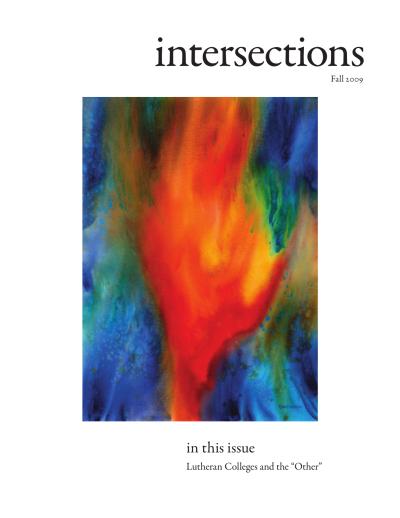
Lutheran Colleges and the "Other"
No. 30 · Fall 2009
The Fall 2009 “Lutheran Colleges and the ‘Other’” issue explores how identity is formed in distinction from some “other” as partner rather than foil. Ronald D. Witherup marks ten years of the Lutheran-Catholic Joint Declaration; Rosemary Radford Ruether’s 1968 essay from Holden Village offers a Catholic’s view of Lutheranism from inside the sauna; Ahmed Afzaal charts a path from Christian-Muslim suspicion to trust; Paul Dovre traces fifty years of change in Midwestern Lutheran colleges; Mark Wm. Radecke offers a Screwtape-style satire on short-term mission trips; David C. Ratke recovers Löhe’s educational vision.
-
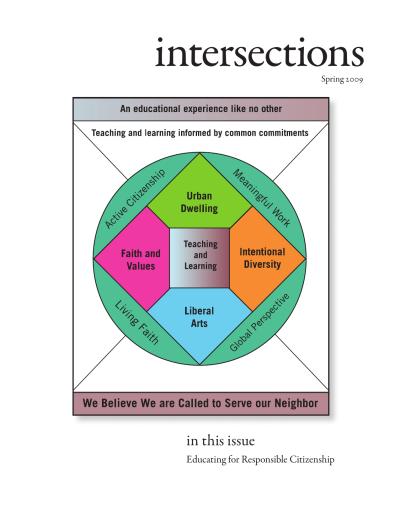
Educating for Responsible Citizenship
No. 29 · Spring 2009
The Spring 2009 “Educating for Responsible Citizenship” issue gathers essays from the 2008 Vocation of a Lutheran College Conference at Luther College. Paul C. Pribbenow argues Augsburg’s mission to educate “dual citizens” calls students to live in the tensions of common life; Jose Marichal proposes Aristotelian phronesis as the goal of digital citizenship; retiring ELCA director Arne Selbyg offers the jazz ensemble as a better metaphor than the melting pot; Wanda Deifelt returns to Luther on neighborly love and the two kingdoms.
-
Lutheran Conversations
No. 28 · Fall 2008
The Fall 2008 “Lutheran Conversations” issue gathers reflections on what it means to be a “college of the church.” Presiding Bishop Mark S. Hanson names curiosity, faith, moral discernment, and engagement in mission as the marks. Mark Wilhelm traces individualism and religious pluralism and their implications. Robert Benne and Thomas Christenson weigh in via a Wartburg Point/Counterpoint. Lake Lambert III’s sermon “Saving Minds,” preached in the Castle Church in Wittenberg, calls Lutheran educators to name the sins of the mind.
-
Lutherans Engage the World
No. 27 · Spring 2008
The Spring 2008 issue, on Lutheran higher education’s engagement with the world, marks Arne Selbyg’s retirement after a decade as Director for ELCA Colleges and Universities. Mary S. Carlsen offers a recipe for engaging the local community drawn from social work. R. Guy Erwin advances three theses on the vocation of Lutheran colleges in a globalist context. Peter Marty challenges the “one calling” assumption with a poly-dimensional account of vocation. Mark C. Mattes traces Grand View’s Grundtvigian heritage. Richard W. Priggie’s closing sermon calls for a “deep ecumenism” loving the whole cosmos.
-
Luther and Melanchthon
No. 26 · Fall 2007
The Fall 2007 “Luther and Melanchthon” issue draws on the ELCA Wittenberg Center on the eve of the “Luther Decade.” Ernest Simmons argues Lutheran higher education is well suited to cultivate “public intellectuals”; Sabine U. O’Hara reflects on education as Bildung; Kathryn Kleinhans, Cynthia Bane, Penni Pier, and Fred Waldstein share fruits of Wartburg’s 2006 seminar in Wittenberg, Eisenach, and Neuendettelsau; Kathy Book imagines No Child Left Behind in conversation with Melanchthon; Matthew J. Marohl reviews Imaging the Journey and The Grand View College Reader.
-
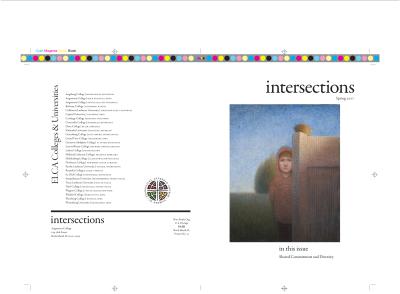
Shared Commitment and Diversity
No. 25 · Spring 2007
The Spring 2007 “Shared Commitment and Diversity” issue opens with Presiding Bishop Mark S. Hanson’s LECNA address on the shared mission of the twenty-eight ELCA colleges. Guest editor Madeleine Forell Marshall introduces four papers from the 2006 ALCF meeting: Randall Balmer proposes Christian liberal arts colleges as “halfway houses” for engaging pluralism; Storm Bailey argues Lutheran identity undergirds academic freedom; José Marichal diagnoses the “decoupling” of campus diversity and civic engagement; Pamela K. Brubaker tells two Lutheran communion stories from Bolivia and Brazil.
-
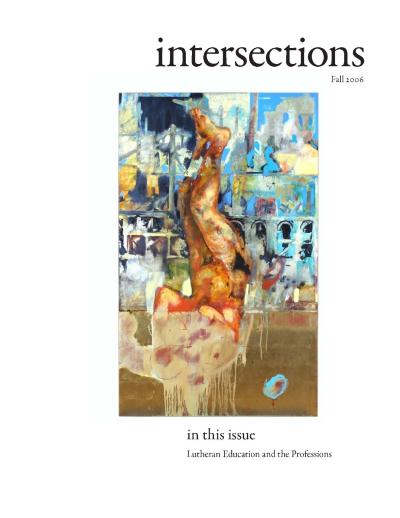
Liberal Learning and Professional Preparation
No. 24 · Fall 2006
The Fall 2006 issue of Intersections, “Liberal Learning and Professional Preparation,” gathers papers from the 2006 Vocation of a Lutheran College conference at Midland. Stanley N. Olson asks whether Lutheran colleges draw contentment from being on Lutheran soil rather than from the work of vocation. Kathryn L. Johnson revisits Luther’s “Freedom of a Christian” as a paradigm for the freedom of a Lutheran college. Gail Summer and Lake Lambert argue the real divide is within, not between, liberal arts and professional preparation. Steven C. Bahls closes with a call for “philosopher-servants.”
-
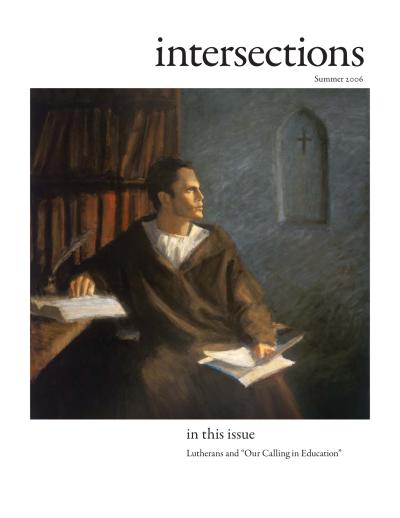
Lutherans and "Our Calling in Education"
No. 23 · Summer 2006
The Summer 2006 issue of Intersections draws on the 2005 Vocation of a Lutheran College Conference at Capital University, contributing to the ELCA’s forthcoming social statement “Our Calling in Education.” Marcia J. Bunge, Paul J. Dovre, Samuel Torvend, and Cheryl Budlong each respond to the Task Force’s draft: Bunge urges focus on children and youth across public schools, Lutheran schools, and faith formation; Dovre traces the statement’s social context and Lutheran resources; Torvend insists it speak to the post-Lutheran “none zone”; Budlong asks educators to reexamine their ‘mental models’ of education itself.
-
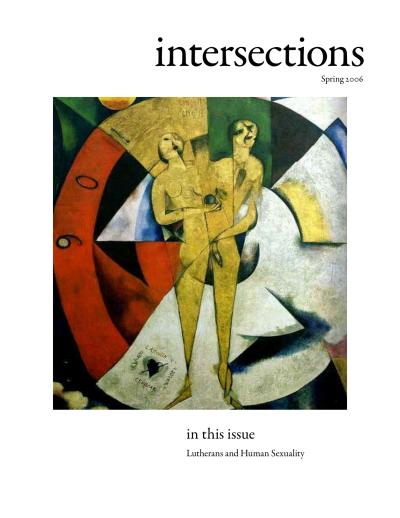
Lutherans and Human Sexuality
No. 22 · Spring 2006
The Spring 2006 “Lutherans and Human Sexuality” issue arrives after the 2005 ELCA Churchwide Assembly’s contested votes on same-sex couples and rostered ministry, and marks Robert D. Haak’s first issue as editor. D. M. Yeager defends the church as a community of moral deliberation; Adina Nack surveys research on sexuality across the lifespan; Ritva Williams tests a Lutheran “critical traditionalist hermeneutic” against Gagnon on Romans 1; Jacqueline Bussie argues the theology of the cross supports rejecting state bans on gay marriage; Robert Benne questions whether Lutheran colleges can model fair moral discourse.
-
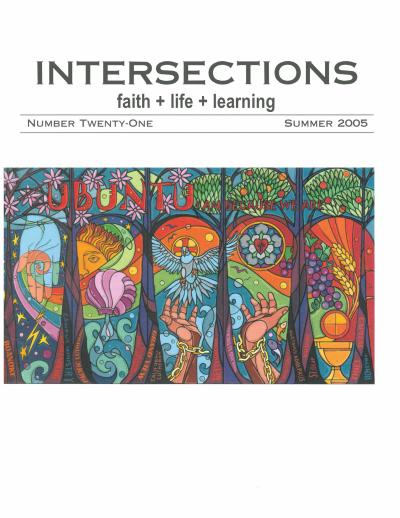
Endings and Beginnings: Some Reflections on the ELCA and Higher Education in the Last Decade
No. 21 · Summer 2005
The Summer 2005 issue is transitional—Tom Christenson’s final issue as founding editor before handing off to Bob Haak, and a turning point as the ELCA Division for Higher Education and Schools folds into a larger unit. W. Robert Sorensen and Leonard G. Schulze reflect on DHES. From the 2004 Vocation of a Lutheran College Conference at Carthage, Loren J. Anderson explores public witness in the Pacific Northwest’s “None Zone”; Harvard Stevens Jr. preaches on Proverbs; Pamela K. Brubaker examines money, sex, and power; Christenson closes on education as Christian calling.
-
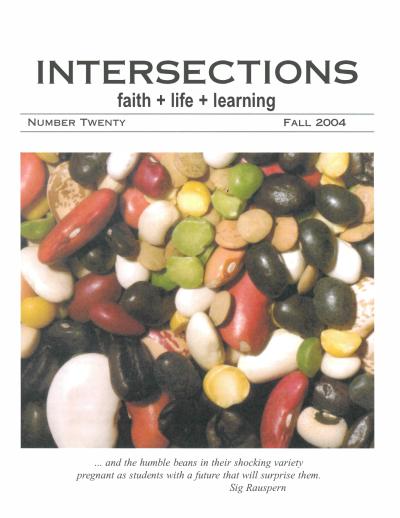
Number Twenty
No. 20 · Fall 2004
The Fall 2004 issue gathers voices—“young and old, angry and encouraging, prophetic and hopeful”—around the Lutheran tradition of faithful criticism. Carl Skrade’s “Mars, Mammon—and Other Options” probes American militarism under the second Bush administration and proposes just-war principles and Matthew 5:43–48 as the Christian alternative. Steven C. Bahls argues law schools must teach students to distinguish vocation from career. Eric Childers profiles six students at Concordia, Lenoir-Rhyne, and Muhlenberg. Tom Christenson closes with a review of Wolterstorff’s Educating for Shalom.
-
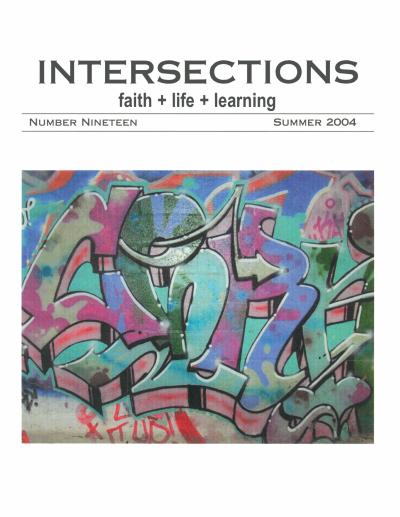
Academic Vocation: What the Lutheran University has to Offer
No. 19 · Summer 2004
The Summer 2004 issue of Intersections features work from the Lutheran Academy of Scholars in Higher Education. Wendy McCredie grounds an academic vocation for the Lutheran university in the dialogical tension between bonds of faith and openness to the neighbor. Mark C. Mattes draws on Ricoeur’s hermeneutics to defend dual citizenship in Athens and Jerusalem. Thomas W. Martin reflects on the dark side of the Reformation myth. Ned Wisnefske argues that fear of “the Ought” underwrites contradictory faculty objections to moral formation. Tim Knopp closes with the poem “Unpossible.”
-
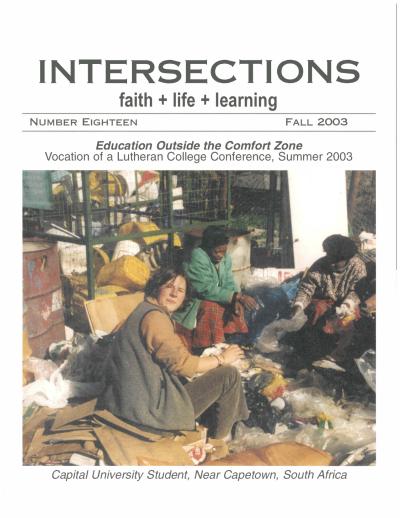
Education Outside the Comfort Zone
No. 18 · Fall 2003
The Fall 2003 “Education Outside the Comfort Zone” issue gathers papers from the 2003 Vocation of a Lutheran College Conference on global outreach. Christopher M. Thomforde offers six theses on global education grounded in Psalm 24; Kathryn Wolford of Lutheran World Relief reads economic globalization through mercy and justice; Janet E. Rasmussen describes Pacific Lutheran’s “Global Education Continuum” and its partnerships in Trinidad, China, and Namibia; Bishop Munib A. Younan offers a Palestinian Christian theology of incarnation, grace, and the cross as a foundation for just peace and interfaith dialogue.
-
What's Faith Got To Do With It?
No. 17 · Summer 2003
The Summer 2003 issue gathers papers from the first Lutheran Academy of Scholars in Higher Education, a Harvard Divinity seminar under Ronald Thiemann themed “What’s Faith Got to Do with It?” Pamela Brubaker describes teaching Christian ethics as moral discourse in a religiously diverse classroom; Jim Huffman traces his journey from Christian exclusivism to pluralism; Diane Scholl reads Winthrop and The Scarlet Letter against Ezekiel’s dry bones; Bruce Reichenbach applies the exclusivist/inclusivist/pluralist taxonomy to Lutheran higher education. Caitlin McHugh offers a poem, and Baird Tipson continues his conversation with Robert Benne.
-
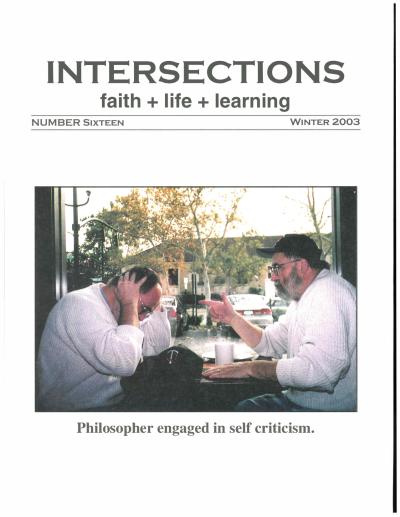
Number 16, Winter 2003
No. 16 · Winter 2003
The Winter 2003 issue celebrates the new Lilly Endowment vocational-exploration grants awarded to nine ELCA colleges, drawing on the eighth Vocation of a Lutheran College Conference. Curtis Thompson frames Lutheran identity as a dialectical “knot in the stomach” held by the theology of the cross. Carol Gilbertson honors “the Word” through chapel talks and poems. Bruce Allen Heggen argues the theology of the cross teaches hope even in the secular university. Susan O’Shaughnessy Poppe reads the Samaritan Woman alongside The Vagina Monologues; Sig Royspern offers fourteen oracular questions; Robert Benne defends Lutheran intellectual engagement.
-
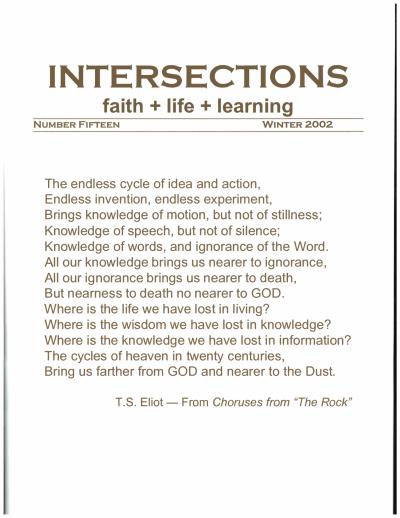
Marks of an ELCA College
No. 15 · Winter 2002
The Winter 2002 “Marks of an ELCA College” issue gathers bishops, presidents, philosophers, poets, and students on what it means for a college to be Lutheran. Bishop Stanley Olson’s lead essay names eight “marks of an ELCA college” and surveys all twenty-eight ELCA mission statements against them. Gregg Muilenberg argues non-Lutheran faculty feel welcome only when invited into the faith-and-reason struggle. Mary Theresa Hall and Cora Lazor read Thiel’s mission alongside Bacon and Newman, Don Braxton defends “honesty of mind,” and Baird Tipson reviews Dovre’s The Future of Religious Colleges.
-
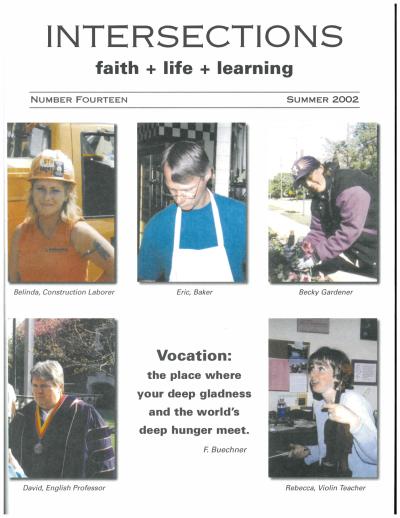
Vocation: Faith + Life + Learning
No. 14 · Summer 2002
A single-topic Summer 2002 issue on vocation drawn from the 2001 conference. Darrell Jodock reads Putnam’s Bowling Alone alongside Luther’s ethic and the new Gustavus Center for Vocational Reflection. Marcia Bunge maps eight “doorways” through Valparaiso’s Lilly grant. Richard Rouse tracks “Paths Unknown.” John P. Trump’s play “Holy Odors” argues digging up old bones can be as holy a call as ministry. Karla Bohmbach traces her vocation as a feminist biblical scholar; Don Braxton reviews Alister McGrath’s Glimpsing the Divine.
-
Opening Lines
No. 13 · Winter 2002
The Winter 2002 issue, themed around Lutheran humor and identity, draws from the 2001 Vocation of a Lutheran College Conference at Valparaiso. Ernest L. Simmons names community, mentoring, and faith-values integration as the three areas where the Lutheran “two-handed” theology equips ELCA colleges to respond to the Millennial Generation. Darrell Jodock’s Bernhardson chair lecture develops humor, community, and freedom. Brian Wallace and Corin Wesner contribute travel reflections from post-apartheid South Africa. The issue closes with reviews of Hughes’s How Christian Faith Can Sustain the Life of the Mind and Benne’s Quality With Soul.
-
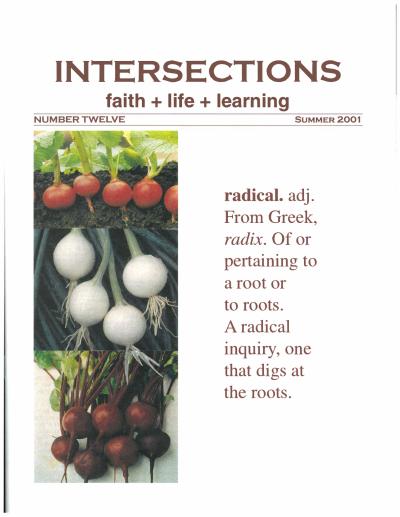
Number 12
No. 12 · Summer 2001
The Summer 2001 issue of Intersections gathers papers from the sixth Vocation of a Lutheran College Conference at Dana College. Leonard Schulze defines teaching as paradoxical “servant leadership” and closes with ten Wittenberg-style theses. L. DeAne Lagerquist places the twenty-eight ELCA colleges in American higher education and proposes five characteristic practices engendering gratitude, wisdom, freedom, and humility. Ruth Henricks calls colleges and social ministry to front-line leadership at a church threshold. A. Joseph Everson borrows “a river runs through it” to image California Lutheran’s six commitments.
-
Number 11
No. 11 · Spring 2001
The Spring 2001 issue of Intersections gathers four pieces on Christian higher education, academic freedom, and journalism as Christian vocation. Richard Hughes argues Christian particularity is itself the foundation for diversity and academic freedom; Nicholas Wolterstorff offers eight considerations on academic freedom in religiously based institutions; Storm Bailey argues religious commitment serves academic goals; and Catherine McMullen, surveying 1998 in American journalism, argues journalism is a Lutheran vocation—“a Christian cobbler makes good shoes, not poor shoes with little crosses on them.”
-
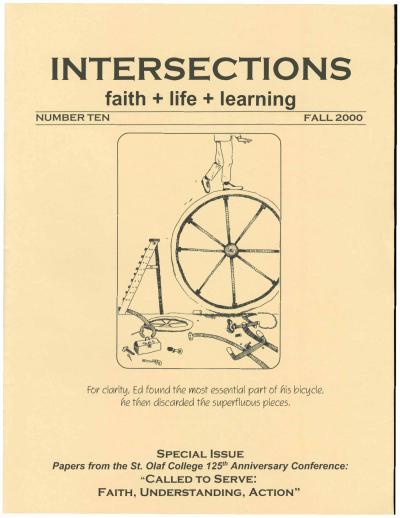
Number 10
No. 10 · Fall 2000
This Fall 2000 special issue gathers papers from the St. Olaf 125th Anniversary Conference, “Called to Serve: Faith, Understanding, Action.” Paul J. Dovre meditates through T.F. Gullixson’s pioneer woman who “turned her face to the west wind.” Robert Benne names four inadequate theologies of Christian higher education and three marks of an adequate one. David J. O’Brien surveys Catholic justice and peace education since Vatican II; Shirley Hershey Showalter traces the Mennonite tradition and Goshen’s Study-Service Term. Student Matt Peterson closes with a homily on vocation as becoming, not doing.
-
Number 9
No. 9 · Summer 2000
The Summer 2000 issue of Intersections opens with a two-kingdoms discussion: Richard VonDohlen argues the doctrine as recently invoked walls theology off from the disciplines, and David Ratke responds with a defense grounded in Luther’s writings on temporal authority. Capital student Rachel Hammond gives a chapel talk on five months in Guayaquil during the sucre’s collapse. Chuck Huff’s Mellby Lecture argues virtue is cultivated through community and small choices rather than fairy-tale heroism. John Reumann reflects on a half century of “serving two masters” between academy and church.
-
Number 8
No. 8 · Winter 2000
The Winter 2000 issue takes up the 1999 Vocation of a Lutheran College Conference question: “Integrity and Fragmentation: Can the Lutheran Center Hold?” Robert Benne proposes an “intentional, robust pluralism” for colleges that have lost a center; Philip Nordquist traces Lutheran higher education “from pietism to paradox”; Florence Amamoto, a Buddhist “inside outsider” at Gustavus, argues diversity and integrity belong together. Sig Royspern offers “Things That Renew Hope,” Kathy Fritz turns to 1 Corinthians 12 amid crisis at Newberry, and Daisybelle Thomas-Quinney offers “a view from the other side” from Thiel.
-
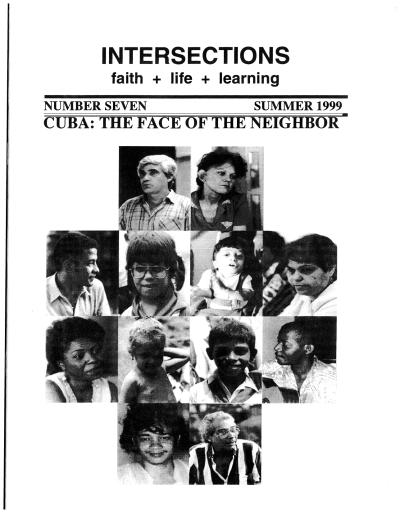
Number 7
No. 7 · Summer 1999
The Summer 1999 “Cuba: The Face of the Neighbor” issue continues papers from the 1998 Vocation of a Lutheran College Conference. Cheryl L. Ney argues for “sustainable science practice” rooted in empathy; Robert Scholz responds to Christenson’s “Freedom of a Christian” as a musician, critiquing taped accompaniments and TV evangelism; Jennifer Sacher Wiley offers Unitarian Universalist reflections on a more inclusive “little Christ.” Four Capital faculty recount a 1998 Cuba trip, Erik Haaland meditates on a Band Chapel service, and the journal’s first letter to the editor closes the issue.
-
Number 6
No. 6 · Winter 1999
The Winter 1999 issue of Intersections gathers papers from the 1998 Vocation of a Lutheran College Conference at Wittenberg. Tom Christenson’s keynote frames the Lutheran educational task by gift, freedom, and vocation, proposing four “liberating arts.” Ryan La Hurd reads Luther’s two kingdoms onto the institution, distinguishing the “imagined” from the “real” college of budgets. Pamela M. Jolicoeur searches for “the words” in California’s religious marketplace; David Wee meditates on being “wise about others”; Kevin Griffith closes with two poems.
-
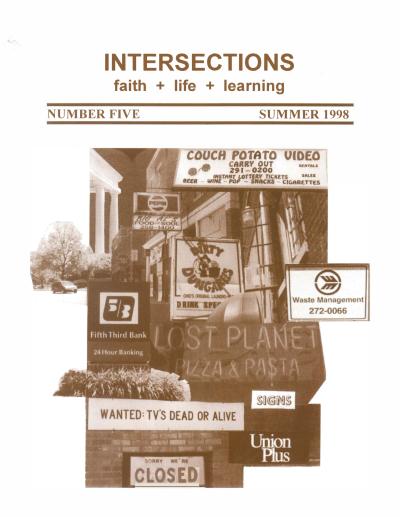
Number 5
No. 5 · Summer 1998
The Summer 1998 issue of Intersections gathers diverse essays at the intersection of faith, life, and learning. L. DeAne Lagerquist traces four Lutheran themes underwriting her work as a historian of women in the ALC; Kyoko Mori reflects on the redemptive role of imperfection in art and writing. A memorial publishes excerpts from Conrad Bergendoff’s 1990 Augustana library address, alongside Elizabeth Baer’s chapel homily on walls and the F3 tornado that struck Gustavus on March 29. A Discussion pairs Robert W. Funk on the historical Jesus with a response by Mark Allan Powell defending myth as poetry.
-
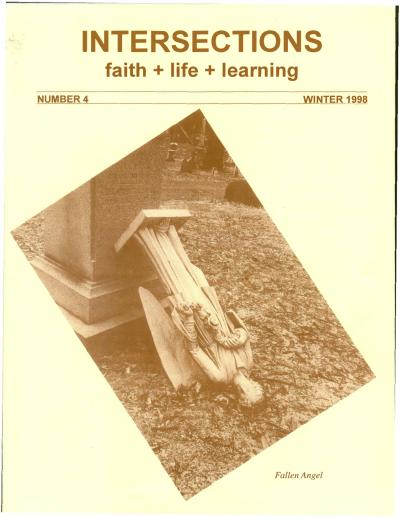
Number 4
No. 4 · Winter 1998
The Winter 1998 issue of Intersections marks James M. Unglaube’s farewell as Publisher and introduces new features. Richard Hughes argues Lutheranism’s dialectical sensibility uniquely suits the academy’s pluralistic search for truth. Spencer Porter and Carl Skrade offer a wry “Skeptical Theologian’s Dictionary”; Gregory A. Clark calls Christian colleges to abandon dialectical neutrality, with a response from Karla G. Bohmbach. Richard Ylvisaker inaugurates “What I Have Learned,” Preisinger and Braxton respond to Santmire on the two kingdoms, and Bohmbach reviews Buford’s In Search of a Calling.
-

Number 3
No. 3 · Summer 1997
The Summer 1997 issue of Intersections gathers essays on the environment, the education of desire, and hiring policies. H. Paul Santmire offers three mandates for the Lutheran college’s care for the earth; Gregg Muilenburg argues the core of Christian education is the education of Christian desire. A discussion on mission and hiring pairs Bruce Reichenbach for “critical mass” hiring, Wendy J. McCredie for “creative education,” and Harry Jebsen on the “moving target” of church and curriculum. Gary Fincke offers two poems; Chuck Huff closes with “Confessions of a Collaborator.”
-
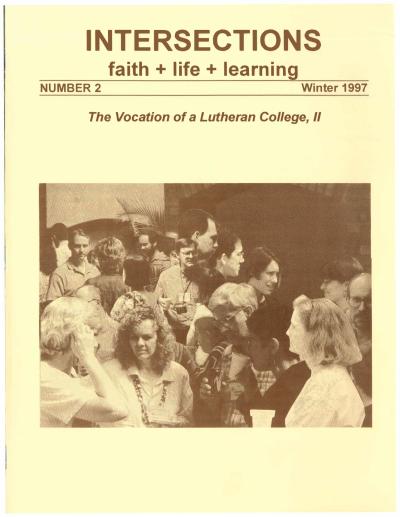
Number 2
No. 2 · Winter 1997
The Winter 1997 issue of Intersections—“The Vocation of a Lutheran College, II”—features Walter R. Bouman’s lead essay naming five continuing themes of the Lutheran tradition (biblical, catholic, evangelical, sacramental, world-affirming), with responses from Steven Paulson, Kimberly and Jon-David Hague, Jane Hokanson Hawks, Ben Huddle, and Chuck Huff probing Lutheran praxis, curriculum, mentoring, and campus “outsiders.” Brian Forry Wallace offers two poems, and Baird Tipson closes with a focus on Wittenberg University’s “American” Lutheran heritage.
-
Number 1
No. 1 · Summer 1996
The inaugural Summer 1996 issue of Intersections launches the journal alongside the first Vocation of a Lutheran College Conference at Capital University. Mark Schwehn’s keynote “The Future of Lutheran Higher Education” frames the Christian university around the pursuit of truth and liberal learning, with responses from Marsha Heck, Kurt Keljo, Thomas Templeton Taylor, John Rehl, Florence Amamoto, and Sandra C. Looney probing moral action, witness, secularization, and lived Lutheran identity.